Traits of High Performing Cybersecurity Presenters

The virtual event boom combined with easily scalable social media distribution has given every cybersecurity company a global stage. But it’s also made it harder to be remembered…and appreciated.
I see technical experts and polished slide decks every day. But the speakers who generate pipeline aren’t simply informative. They’ve mastered a service mindset, they’re not afraid of humiliation, and they focus on transferring emotion rather than information.
Identifying speakers who can truly sell requires looking beyond subject-matter expertise and focusing on influence.
Traits of cybersecurity speakers who can sell:
1. Their mindset is completely service-oriented
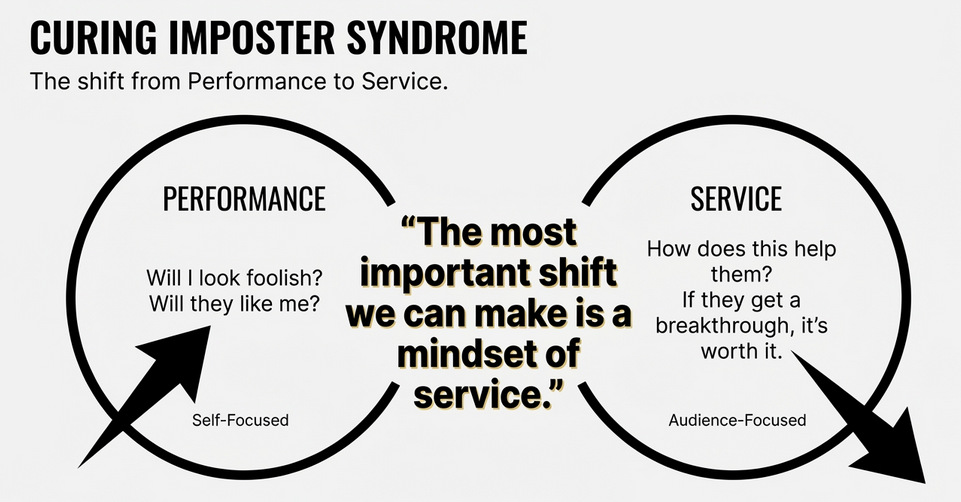
The strongest speakers have learned to move past fear and imposter syndrome by shifting their mindset from performance to service. Instead of worrying about how they appear, they concentrate on delivering value. That shift makes them clearer, more confident, and more compelling. Audiences respond to speakers who feel grounded and purposeful — not defensive or overly rehearsed.
A speaker with a service mindset accepts the risk of making a fool of themselves, or having something go wrong technically, because their primary concern is how the audience comes out of the experience — not how the speaker looks.
2. They don’t overteach
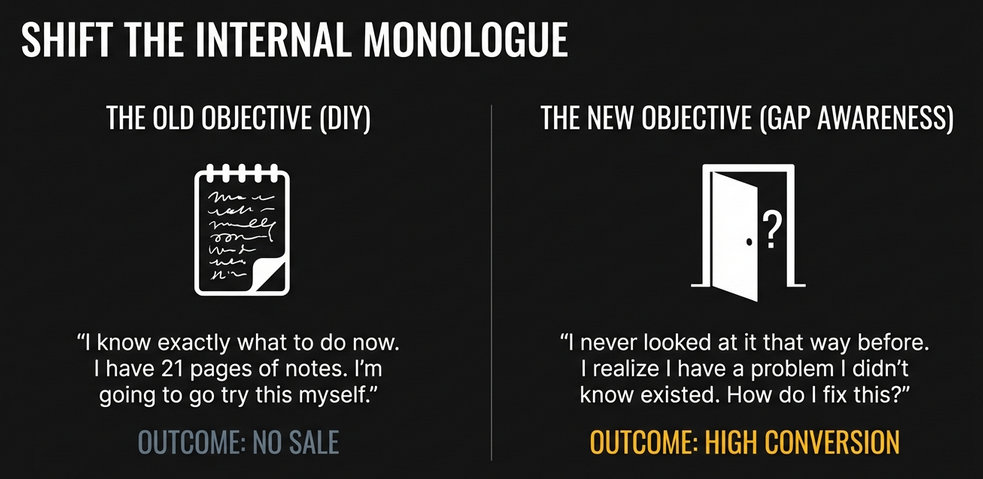
The top cybersecurity speakers avoid the common trap of overteaching. In this space, it’s tempting to prove credibility by sharing everything you know. But when a speaker gives away the entire playbook, the urgency to act disappears.
Powerful speakers understand the tipping point. They surface critical risks, introduce new perspectives, and elevate the consequences of inaction. They leave the audience thinking, We need to fix this. How do we move forward?
3. They shift the audience’s perception
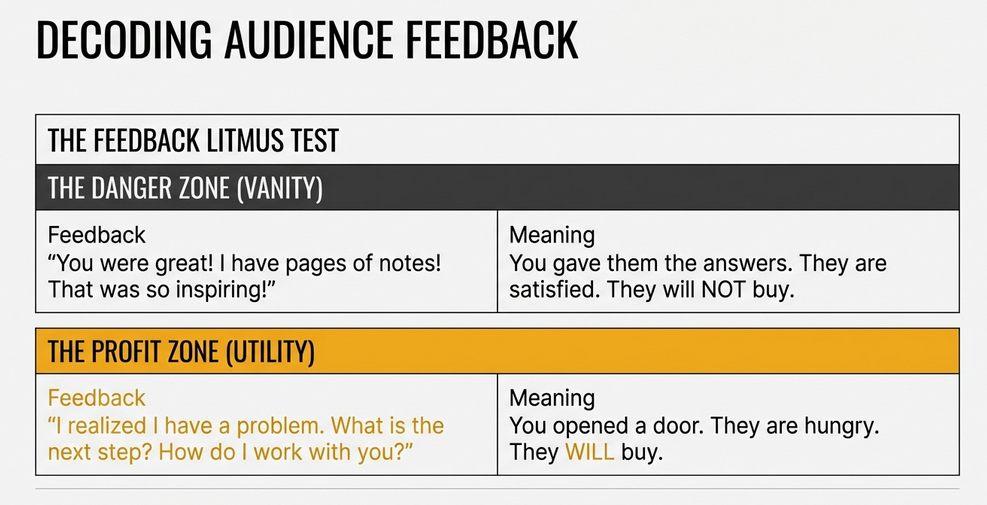
Great speakers balance education with opportunity. They meet their responsibility to inform and inspire, but they also reshape how the audience sees its own challenges. When done well, the presentation naturally creates demand.
You know it worked when attendees approach afterward to ask about next steps. That’s not accidental — it’s intentional positioning.
4. They distinguish between information and emotion
Most importantly, powerful speakers tell the audience’s story better than the audience can tell it themselves. They articulate the pressures security leaders face, the fatigue from vendor noise, and the tension between protection and business growth. When people feel understood, they trust. And trust is what moves cybersecurity buyers from interest to action.
At its core, effective speaking isn’t the transfer of information. It’s the transfer of emotion — urgency, clarity, conviction, and confidence. In a market built on risk and trust, the speakers who can move emotion are the ones who move revenue.
Ultimately they make the the audience feel understood
The cybersecurity industry will always have more knowledge than it knows what to do with. What it consistently lacks are the people who can make that knowledge land. The next time you’re evaluating a speaker, stop asking whether they know their material. Start asking whether they can make a room feel something. That’s the difference between a session people politely applaud and one that fills your pipeline.