How to Get Speaking Slots at Cybersecurity Events Part 1 of 3: Why the Stage Beats the Feed
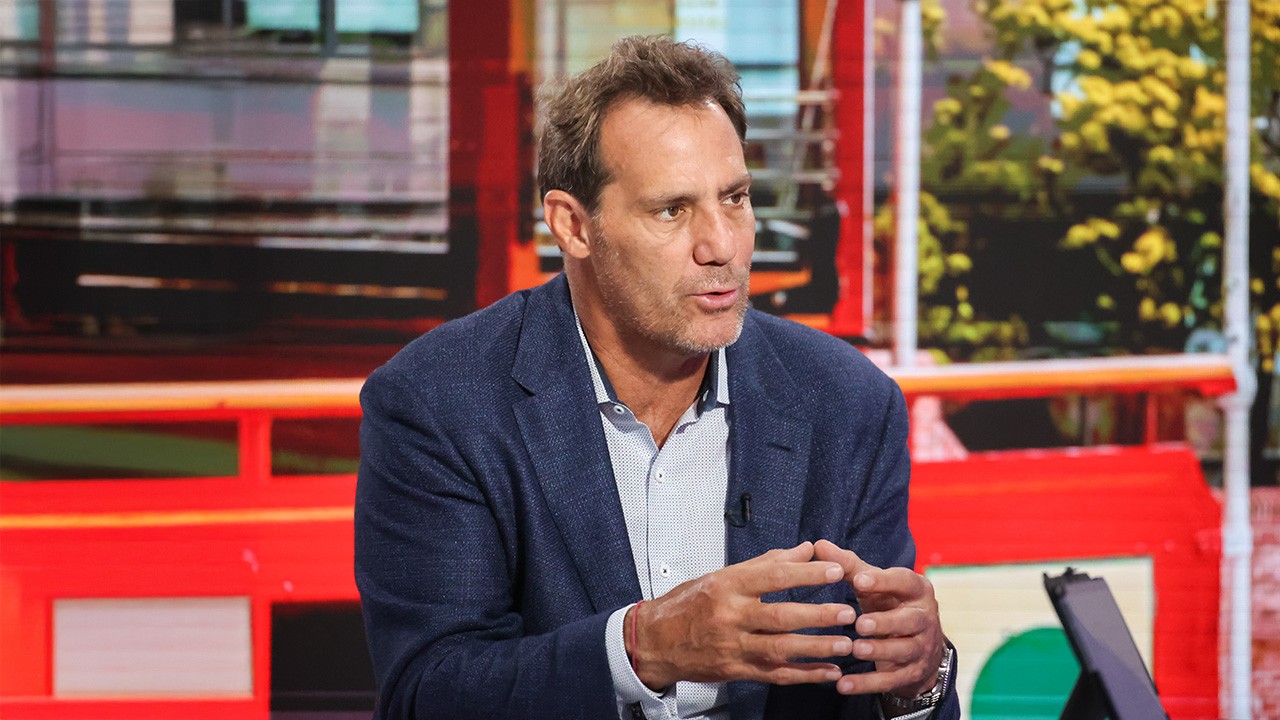
ISMG’s editorial team spends a lot of the year at convention centers. RSAC, Black Hat, Infosecurity Europe. Our studio professionals set up cameras and we interview people all day. And in the hallways between interviews, many of our staff hear the same question over and over, usually from someone with twenty years of real experience and a badge that says ATTENDEE:
“How do I get on one of those stages?”
It’s a fair question, and the people asking it are usually more qualified than half the people speaking — or the dozens of vertical video vixens dominating LinkedIn. To be fair, public speaking is often their main source of income, so they have the voice, the look, the composure, and the unflappable confidence.
But who says you can’t do it too, if you really want to be on stage and have the credentials? (No cybersecurity pun intended!)
In this three-part series, we’re going to walk through what we’ve seen work, because the selection process is a lot less mysterious than it looks from the audience.
This first part makes the case for why the stage is worth the effort and shows you how the people guarding it actually think.
First, why bother with a stage at all
A brand, stripped of the marketing machine, is simple: people know you, they think something about you, and they act on it. They trust you, they want to be near you, they buy from you. When your personal brand is working, your sales cycle shrinks because the selling happened before anyone booked a meeting.
You used to be able to build a personal brand on LinkedIn for free. Not anymore. The algorithm update they pushed in early 2026 feeds the already-fed. If you built your following years ago, congratulations, the machine keeps rewarding you. If you’re starting now, you’re shouting into a closed black box that has already decided you’re a nobody.
You can pay to be heard, or you can know the right people (or pod of people) who’ll pump you up for a year. Those are the choices. And LinkedIn is cracking down on fake engagement — which, by the way, is so blatantly obvious with the AI-generated comments that could be swapped between commenters without anyone noticing.
It’s easy to blame AI, because the feeds are so flooded with generated content that people have to work hard to even allow your content to pass through their trust filter and memory bank.
A stage doesn’t have that problem. Nobody suspects the person sweating under the lights in front of one hundred people is synthetic. That’s why the in-person slot got so valuable. And so guarded.
Think like the person doing the guarding
Event organizers like us are not looking for superstars. But we must make sure we don’t get burned.
The worst-case scenario is dead air. It’s a speaker who freezes, rambles, or reads slides in a monotone voice while a paying audience is checking email. Every speaker decision is really a small loan of the event’s reputation, and organizers lend the way a careful neighbor lends a car. It’s not to whoever asks loudest, but to whoever looks least likely to return it dented.
Which means we’re quietly asking three questions about you:
- Can this person hold a room?
- Will the content land?
- Does anyone I trust vouch for them?
The rest of this series is just answering those three questions before they’re asked.
In Part 2, we’ll tackle the first two questions: how to carve out a position organizers can actually book, package your experience into sessions, and understand exactly what a selection committee finds when they google you.
Thinking about speaking at cybersecurity events? This three-part series covers everything from commanding the stage to landing invitations to building a lasting presence on the conference circuit.